The inbox is the last un-automated surface in your creator stack — and that’s starting to change
If you run any kind of audience-facing operation — a newsletter, a paid community, a product with a waitlist, a TikTok shop — you already know the dirty secret of the creator economy: the money doesn’t live in the content, it lives in the follow-up. The DM that turns a viewer into a customer. The welcome email that stops a new subscriber from ghosting. The win-back note that saves a cancellation. Most of us handle that follow-up in a shared Gmail inbox with three people forwarding screenshots to each other, and it breaks the moment volume picks up. So when a tool shows up claiming to put AI agents directly inside shared mailboxes, that’s not a “cool AI thing” — that’s a structural fix for the part of the funnel nobody wants to own. Banger Mail is trying to be that fix. Whether it works is a different question, and I have opinions.
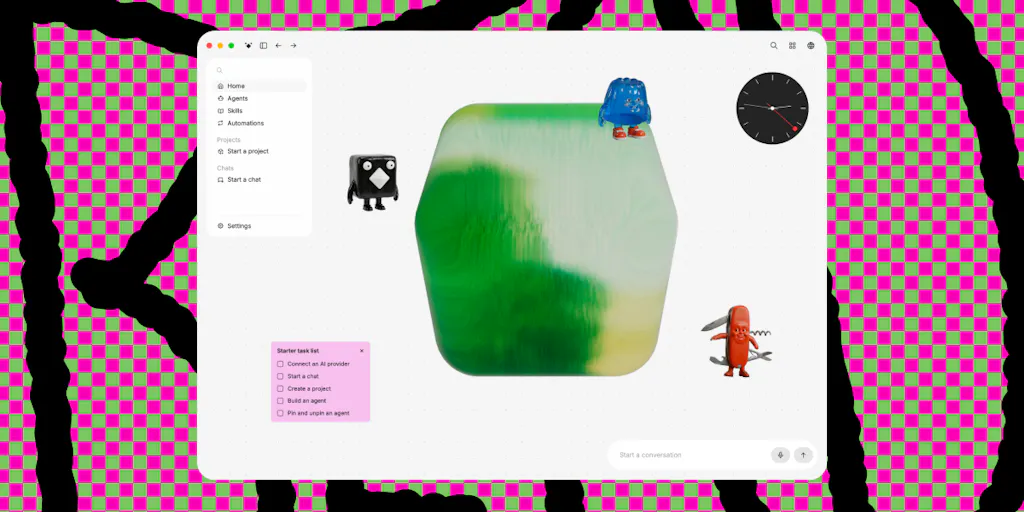
Let me be upfront about what this is and what it isn’t, because the Product Hunt listing is doing a lot of enthusiastic heavy lifting. Banger Mail is a shared-mailbox product from a company called Banger, and the pitch — from maker Tiago Loureiro — is that it lets you “win and keep” customers with email automation that your AI runs. The team claims you can tell your AI once what matters and it builds “Journeys”: welcome sequences, cart-abandonment reminders, win-back flows, all in your brand, A/B tested, and translated. Broadcasts, transactional product emails like receipts and notifications, signup forms, and real mailboxes on your own domain all live in the same place. You can run it from ChatGPT, Claude, Grok, or agent frameworks like Hermes and OpenClaw, and developers get a REST API, webhooks, and an MCP server. There’s a free tier of 100 emails a day forever with unlimited contacts and mailboxes, and a launch code (PRODUCTHUNT) for 25% off the first year on any paid plan, valid through October 13. Pricing beyond that is not disclosed in the listing.
That’s the recap. Now the part that actually matters to you.
The real problem isn’t email. It’s that your best conversion moments are trapped in a human bottleneck.
Here’s the operational reality I keep running into when I audit creator businesses. A solo operator or a two-person team is running Instagram, TikTok, YouTube, a newsletter, and some kind of checkout — and the email layer is a mess. Marketing broadcasts live in one tool. Transactional receipts live in Stripe or Shopify. Support replies live in a shared Gmail. And the actual human conversations — the ones where a fan becomes a superfan — live in DMs that nobody is tracking. Every one of those surfaces has its own login, its own analytics, and its own definition of “engagement,” and none of them talk to each other.
The incumbents haven’t solved this because they’re built for a different buyer. Klaviyo is excellent at ecommerce flows but assumes you have a dedicated lifecycle marketer. Mailchimp is fine for broadcasts and terrible for anything conversational. ConvertKit (now Kit) is beloved by newsletter creators but its automation builder is a flowchart tool from 2018, not an agentic system. And shared inbox tools like Front or Missive solve the collaboration problem but not the automation problem — they’ll let three people triage a support queue, but they won’t write the win-back sequence for you.
What Banger is betting on is that the next layer of value isn’t “another email builder” — it’s an inbox where AI agents are first-class participants, not a bolted-on chatbot. That framing comes through clearly in the reviews. One reviewer, Omri Ben-Shoham of Dial, specifically called out that “shared mailboxes that AI agents can actually use as a first-class participant, not just a human tool with an API bolted on, is the part that stands out,” and noted that setup was quick and routing rules made sense without digging through docs. That’s a meaningful signal, because “AI inside the inbox” is easy to demo and hard to actually ship — most tools give you a summarizer and call it agentic.
Why this matters more to a solo creator than to a SaaS team
If you’re a SaaS company with a lifecycle marketing team, Banger is competing with tools you already pay for, and the switching cost is real. But if you’re a creator with 40,000 subscribers and no ops person, the gap Banger is filling is different: you don’t have a lifecycle team at all. You have you, a Notion doc, and a vague guilt about not sending a welcome sequence. An agent that watches for signups, cart drops, and cancellation-page visits and then does something about it is worth more to you than a more powerful flow builder you’ll never finish configuring. That’s my take, not a claim from the listing.
What creators and social teams can actually steal from this launch
Even if you never sign up for Banger, there are three operational patterns in this launch worth copying into your own stack this week.
1. Treat “customer moments” as content triggers, not just email triggers
The maker’s framing — “someone just signed up and won’t come back, someone left a full cart, someone is about to cancel” — is a useful mental model that applies way beyond email. Every one of those moments is also a content moment. A new subscriber who hasn’t opened anything in 14 days is a candidate for a re-engagement Reel, not just a re-engagement email. A cart abandoner is a candidate for a retargeting TikTok, not just a reminder email. The reason most creators don’t do this is that their email tool and their social scheduler don’t share a trigger layer. If you’re running Metricool or Later for scheduling, you can approximate this with saved segments and manual triggers — it’s not agentic, but it’s the same logic. The launch is a reminder that your email list and your social audience are the same humans, and you’re currently treating them like separate databases.
2. The “agent as participant” model is coming for your community management
The reviewer’s complaint is the most instructive part of the whole listing. Omri noted that he’d like “a way to see which specific agent action touched a thread last,” because right now “it just shows the mailbox activity as one feed and I have to guess which automation did what.” That is exactly the problem you’re about to have with AI community management on Instagram and TikTok. If you’re using any AI tool to draft DM replies or comment responses, you already have this problem: you can’t tell which replies were human and which were generated, and you can’t audit the agent’s decisions after the fact. The lesson is to demand attribution from any AI tool you adopt — a log of what the agent did, when, and why. If a tool can’t tell you that, it’s not ready for a customer-facing surface. That’s my judgment call, and I’d apply it to Banger and to every AI social tool you’re evaluating.
3. The open-source template play is a distribution strategy you can copy
Banger is running something called Bangerverse — an open-source home for apps, integrations, and email templates built around the product. Fork a project, customize it with your agent, build something new. This is the same playbook that made CapCut templates and Canva templates into growth engines: give people a starting point that’s 80% done, and they’ll finish the last 20% themselves. If you’re building any kind of creator tool or even a paid community, the template library is the distribution channel. Not the product. The templates. I’d bet the Bangerverse play drives more signups than the launch itself over a 12-month horizon — but that’s speculation on my part, not a disclosed metric.
Where the math breaks, and who this is genuinely not for
I want to be careful here, because the launch copy is doing what launch copy does — painting a picture where “nobody slips through.” That’s aspirational, and the operational reality of email automation is messier than the pitch.
The deliverability problem doesn’t care how smart your agent is
Here’s the thing the launch copy glosses over: sending marketing email from “real mailboxes on your own domain” is a deliverability minefield. If you’re sending broadcasts and Journeys from a domain you just set up, you’re competing with senders who’ve spent years warming IPs and managing sender reputation. Banger does offer a free email domain checker for MX, SPF, DKIM, DMARC, reverse DNS, and blocklists, which tells me the team knows this is a real problem — but a checker is a diagnostic, not a fix. If you’re migrating a list of 50,000 subscribers from Mailchimp to a new domain, you should expect a deliverability hit, and no AI agent is going to save you from that. This is where I’d want to see real migration case studies before recommending it to anyone with a large list. The listing doesn’t provide any, and that’s a gap.
The attribution gap is a real operational risk
The reviewer’s complaint about not knowing which agent touched a thread last isn’t a nitpick — it’s a compliance and trust issue. If an AI agent sends a win-back email with a discount code and the customer replies angrily, you need to know exactly what the agent promised and when. In a regulated industry — finance, health, anything with FTC or GDPR exposure — that audit trail isn’t optional. Banger’s listing says you “decide what each agent can access” and you can “review, edit or pause anything in the web app,” which is good, but it doesn’t describe a per-action audit log. Not disclosed is not the same as not present, but it’s a question I’d ask on a demo call before putting an agent anywhere near a customer-facing inbox.
Who this is not for
If you’re a solo creator whose entire email operation is a Substack newsletter, Banger is overkill. Substack’s built-in tools handle the welcome email and the paywall nudge, and you don’t have a shared mailbox problem. If you’re on Beehiiv and happy, same answer. Banger’s value shows up when you have multiple humans and multiple agents touching the same customer conversations — which means you either have a team, or you’re running a product with enough volume that a single inbox is genuinely breaking. Below that threshold, you’re paying for complexity you don’t need. That’s my read, and I’d rather tell you that than pretend every launch is for everyone.
Why TikTok creators should care more than LinkedIn ones
This is a sidebar worth making explicit. If your audience comes from TikTok or Instagram, your conversion path is short and impulsive — someone sees a video, taps a link, and either buys or doesn’t within 48 hours. That’s exactly the window where a cart-abandonment or welcome-sequence agent earns its keep. If your audience comes from LinkedIn, your sales cycle is longer, your conversations are more consultative, and an AI agent auto-replying to a prospect is more likely to damage the relationship than save it. The tool isn’t the variable here — the audience behavior is. I’d deploy an agent on the TikTok funnel long before I’d deploy one on the LinkedIn funnel.
What I’d watch, and what I’d test this week
The honest summary: Banger Mail is a credible bet on a real problem — the shared inbox is the last un-automated surface in most creator stacks, and the “agent as first-class participant” framing is more interesting than yet another flow builder. The team is shipping fast (multiple beta releases and a changelog in the weeks after launch), the free tier is genuinely usable, and the open-source Bangerverse play is a smart distribution move. But the listing doesn’t disclose pricing beyond the launch discount, doesn’t show migration case studies, and the one review surfaces a real attribution gap that I’d want resolved before trusting an agent with customer-facing replies.
Here’s what I’d actually do this week, whether or not you sign up:
- Audit your customer moments. Write down the five moments where a customer or subscriber is most likely to slip away — signup, first purchase, cart abandon, 14-day inactivity, cancellation page. If you can’t name them, no tool will save you.
- Test the free tier against one moment. Pick the single highest-value moment and build one Journey. Don’t migrate your whole list. Run it on new signups only, and watch deliverability and reply sentiment for two weeks.
- Demand attribution from every AI tool you use. Ask any vendor — Banger included — to show you a per-action log of what the agent did and when. If they can’t, don’t put it on a customer-facing surface.
- Check your domain before you send. Run Banger’s free domain checker on your sending domain even if you never use the product. SPF, DKIM, and DMARC misconfigurations are the silent killer of creator email, and most people don’t find out until their open rates collapse.
- Watch the changelog, not the launch page. The one-week post-launch update is more informative than the launch copy. If the team keeps shipping at that cadence, the attribution gap and the migration questions get answered in public. If the cadence drops, that tells you something too.
The creator economy doesn’t need another email tool. It needs the follow-up layer to stop being a human bottleneck. Banger is one of the more serious attempts I’ve seen at that, and it’s worth a free-tier test — with your eyes open about what isn’t disclosed yet.