
Don’t Just Follow Trends: Turn Hot Topics into Cross‑Border Brand Content

Cross‑border e‑commerce brands often see a topic suddenly heat up on Reddit, YouTube, or news platforms, only to end up copying a generic post like “Everyone’s talking about this, so we’ll talk about it too.” It may get interactions in the first few hours, but after entering different country markets it gets no clicks, and users can’t see any link between the brand and the topic.
Trend content isn’t just swapping a hot word for a brand name. It must go through brand filtering, audience localization, platform rewriting, and post‑publication validation before it can turn short‑term traffic into a reusable content asset.
To judge whether a hot topic can be turned into brand content, consider product relevance, target market, consumption scenario, and purchase stage, then validate with small‑scale tests on different platforms. The discovery to initial screening should ideally be within 24 hours, but quick response can’t replace cultural judgment and commercial validation.
First, Determine If the Trend Is Worth Brand Follow‑Up
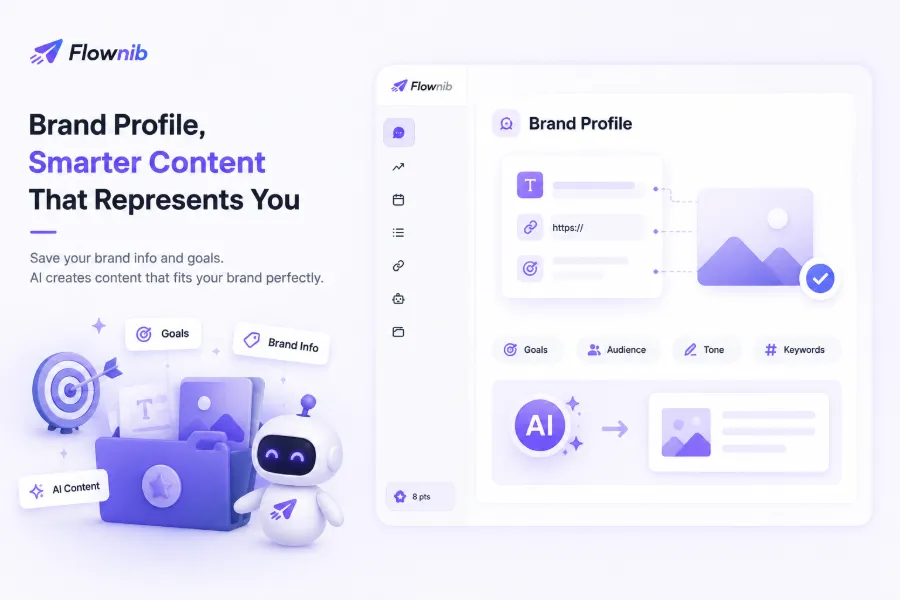
Discovering trends isn’t hard; the hard part is whether the brand has a reason to join. A topic that generates a lot of discussion on Hacker News doesn’t mean it’s suitable for a consumer‑focused TikTok video; a YouTube video that suddenly goes viral doesn’t automatically connect to a cross‑border e‑commerce product. Brand positioning, target audience, and consumption scenario must align first, then the content format can be discussed.
In practice, the time from trend discovery to initial screening should not exceed 24 hours. The closer to the peak, the less time the team has for full research; but that doesn’t mean you should publish as soon as you see a hot word. Quick judgment should answer four questions:
- Relevance: Does the topic connect to the product, user problem, or usage scenario?
- Timeliness: Is it an emerging discussion or already fading?
- Discussion momentum: Are users continuously asking, debating, and sharing, or just giving a brief like?
- Commercial extensibility: Can it be broken down into education, comparison, case studies, or purchase prompts?
Reddit comments often reveal genuine user questions; YouTube is better for long explanations and demos; news platforms provide event background. Brands can’t treat these sources as the same signal. A news hotspot may suit background explanation but not direct promotional copy; Hacker News technical discussions have momentum, but cross‑border brands need to assess whether ordinary consumers understand the context.
Language and cultural references differ across countries, changing the meaning of a trend. The same “summer storage” topic has different seasons in the Northern and Southern hemispheres; a discount discussion in the U.S. may revolve around taxes and shipping speed, while in Southeast Asia it may focus on cash‑on‑delivery, platform coupons, or local logistics. Directly translating the raw hotspot usually preserves only the literal information, not the conditions consumers truly care about.
Brands can also check Threads discussions, but should not treat high‑frequency replies on Threads as global market demand. After a trend appears, the team should at least draft a content hypothesis: which consumer question does this topic answer, or which product usage scenario does it showcase? If this statement is unclear, the hotspot likely hasn’t been screened yet and is just being forwarded.
Transform the Hotspot into a Brand‑Specific Content Angle
Before a raw trend enters the production pipeline, it must pass at least five steps: trend fact, audience question, brand viewpoint, product scenario, and call‑to‑action. The trend fact explains what happened; the audience question explains why users care; the brand viewpoint decides how the brand will explain; the product scenario provides an observable usage method; the call‑to‑action tells users what to do next.
The “brand viewpoint” here is not a slogan but a testable judgment. For example, around the discussion of “reducing luggage while traveling,” a luggage brand could explain packing order, showcase real users combining items, or compare size limits under airline rules. All three angles relate to the trend but correspond to different purchase stages: some users seek inspiration, some compare products, some are ready to order.
When organizing content, operators can refer to the AI‑driven social media method, but editorial judgment must still precede automation. AI can generate multiple versions based on brand archives, product info, and marketing goals, but it cannot decide whether a cultural reference is offensive or whether a hot controversy is worth a brand’s involvement.
A more stable structure is “1 trend → 3 angles → 1 primary version.” Each trend should be broken down into at least three testable angles, then one primary angle is chosen for production. This sacrifices some immediate volume but reduces waste from expanding an unverified piece of content into ten platform versions.
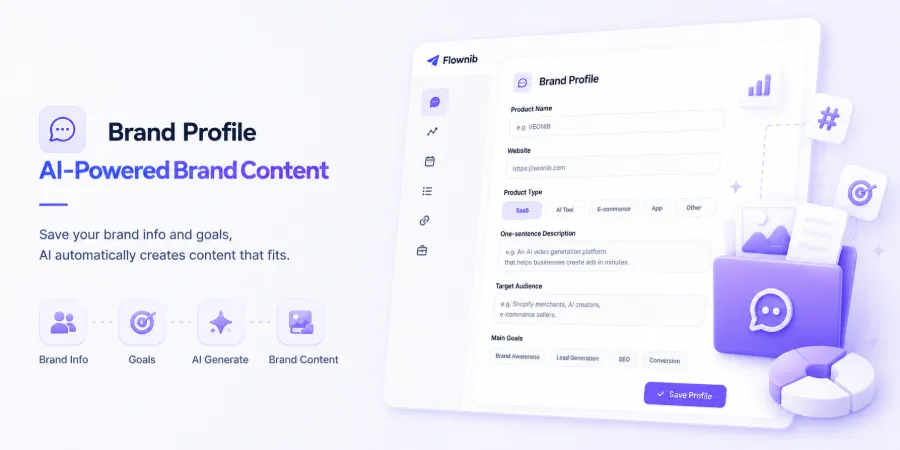
Cross‑border content especially needs fixed product information. Brand archives should include applicable user groups, price ranges, delivery regions, material or functional limits, after‑sale conditions, and outcomes that cannot be promised. Otherwise, the same hotspot may emphasize convenience in English markets, omit compliance in German markets, and use overly aggressive promotional tone in Japanese markets, resulting in contradictory brand versions.
Content reuse is not simple copying. Educational content can explain the problem behind the trend, suitable for users still in the awareness stage; scenario content shows the product in real life, suitable for those with already formed demand; response content handles comments or controversies, suitable for building trust; promotional content should be placed before audiences with high purchase intent.
| Content Angle | Suitable Consumer Stage | Cross‑Border E‑Commerce Example | Primary Validation Metrics |
|---|---|---|---|
| Educational | Awareness & Understanding | Explain a hot issue and related product knowledge | Watch time, saves |
| Scenario | Demand Formation | Show usage by users in different countries | Click‑through rate, comment quality |
| Response | Comparison & Trust | Answer questions from hot discussions | Comment quality, engagement rate |
| Promotional | Near Purchase | Offer purchase tips tied to season or market event | Conversion rate, order value |
User‑generated content provides real language and scenarios but cannot replace brand review. Exaggerated claims, unverified benefits, and delivery experiences not applicable to other countries all need verification. The value of a hotspot lies not only in immediate traffic but also in whether it can be broken into angles that fit different purchase stages.
Rewrite for Different Platforms, Not Just Copy
After a piece is created, it still needs to be rewritten according to each platform’s reading habits, length, media format, and interaction style. Short‑text platforms need early conflict or problem statements; video platforms must state why viewers should watch at the start; visual platforms rely on images and brief captions; professional content platforms emphasize evidence, process, and industry context. “Cross‑platform publishing” that simply pastes the same paragraph into every account is just low‑quality content amplified.
During cross‑platform rewriting and publishing, tools like Flownib can reduce copy‑pasting, account switching, and scheduling friction. They can transform a base piece into versions for Instagram, X, LinkedIn, TikTok, Facebook, Threads, Pinterest, YouTube, Bluesky, or Google Business, but each version still needs human checks for facts, tone, assets, and links.
For teams supporting ten social platforms, keep 2–3 platforms for the first round of testing; it’s easier to spot issues than maintaining ten low‑quality versions. For example, a visual product may first test Instagram, TikTok, and Pinterest; a B2B product may start with LinkedIn, YouTube, and X. The goal of the first round isn’t full coverage but identifying which platform elicits effective audience response.
Cross‑border e‑commerce localization also includes units, time expressions, price context, and consumption habits. Dollar prices can’t just be swapped for euros; tax inclusion must be verified; “weekend shipping” may correspond to different workdays in different countries; “limited‑time offer” may be understood as a regular promotion in some markets, not a scarcity cue. Word‑for‑word translation keeps sentences but often loses purchase conditions.
Platform content formats also change evidence requirements. YouTube titles and thumbnails affect clicks; the video itself needs longer explanations; Instagram relies on visuals, carousel structures, and saves; LinkedIn cases and data are more persuasive than emotional slogans. Teams can observe YouTube content trends to see how topics unfold in video, but they shouldn’t directly transplant popular video expressions onto short‑text platforms.
A practical workflow keeps a core brand viewpoint, then generates platform versions, and finally has humans verify three things: factual accuracy, consistent brand tone, and platform‑compliant formatting. Official APIs reduce publishing failures and account‑switching friction, but they won’t audit cultural meanings or judge whether a brand‑hotspot link feels forced. For detailed multi‑platform batch publishing processes, see the cross‑border social media distribution guide.
A cross‑border brand once copied an English post and published it simultaneously in the U.S., Germany, and Japan on the morning a consumer topic spiked. The first 24 hours showed decent interaction, and the team thought fast response captured the window; but the German version lacked product relevance, and the Japanese version was overly literal. After 72 hours, clicks and conversions were clearly low. Post‑mortem showed that early comments came mainly from onlookers, not target buyers. There is indeed a trade‑off between rapid response and thorough localization; publishing a few hours earlier isn’t always worth sacrificing market context.
Use Data After Publishing to Decide Whether to Amplify the Trend
The first round of publishing is just the start of testing. Teams should conduct the first check within 24 hours to confirm exposure, views, clicks, saves, comment quality, and conversion; by 72 hours, make the first angle judgment and decide whether to tweak copy, switch markets, change assets, or run a second distribution. Thresholds should be set based on the brand’s own historical data, not borrowed from others’ like counts.
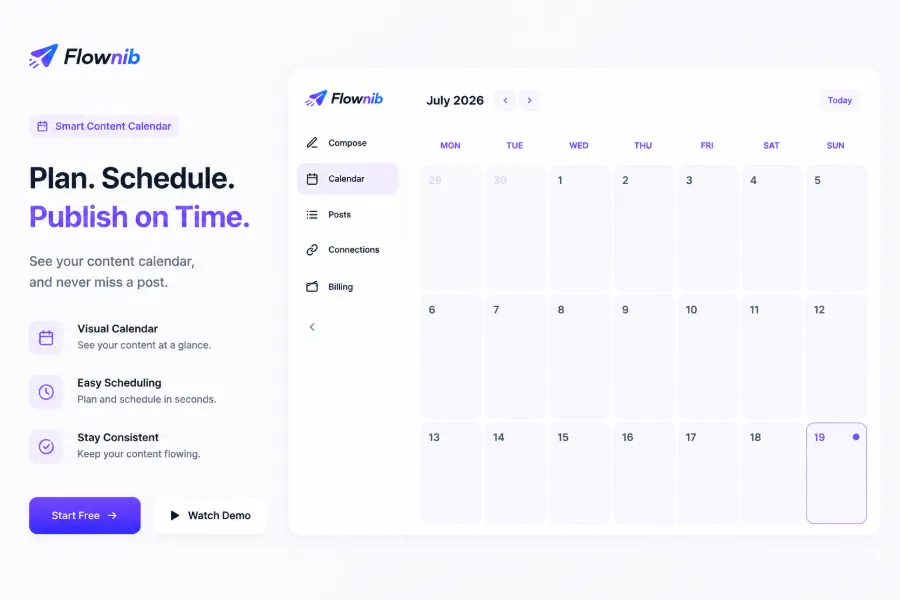
The low‑cost global social media distribution system can reduce repetitive tasks across markets, but data segmentation still requires operators. The content calendar must at least record country, platform, content angle, publish time, and version ID; otherwise, after simultaneous releases, the team quickly forgets which version drove clicks and which only generated superficial interaction.
High exposure does not equal commercial value. A video may get many views due to controversy but no product page clicks; a post may have low saves but generate many specific purchase questions in comments, making it more suitable for further development. CTR, engagement rate, saves, and comment quality should be evaluated separately from conversion rate, and market segmentation should not be hidden by overall averages.
Two common anomalies occur. First, platform interaction is high but the landing‑page bounce rate is also high, indicating a mismatch between content promises and product pages. Second, click‑through is average, but a specific country shows high conversion, suggesting the theme isn’t a mass hotspot but accurately reaches a small buying audience. Teams that only look at total exposure often miss the second signal.
Trend content lifecycles should also be managed separately. Timely content needs rapid review and can be stopped once the buzz fades; if an angle continues to generate saves, questions, or searches, it can be distilled into FAQs, product guides, user stories, or long‑term content themes. Thus, a hotspot becomes more than a one‑off task—it feeds the content calendar and brand archive continuously.
Multi‑market operations often demand more maintenance than the initial creation. Teams must handle comment language, asset licensing, inventory changes, price updates, and platform API issues. For collaborative challenges, see the cross‑border business automation stack. Multi‑platform auto‑publishing reduces execution friction but does not replace brand trend filtering, cultural judgment, or commercial validation.
When deciding whether to keep amplifying a trend, brands should return to the original content hypothesis: does it answer a clear consumer question, connect to a real usage scenario, and receive high‑quality feedback in the target market? If the answer is only “lots of interaction” without indicating the user’s purchase stage, further distribution usually just amplifies noise.
FAQ
Which types of trends should cross‑border e‑commerce brands follow?
Prioritize trends that have a clear connection to product usage scenarios, target audience problems, and market demand. Brands can complete an initial screen within 24 hours and test relevance on 2–3 platforms, rather than chasing every high‑exposure topic.
How to judge if a hotspot is suitable for brand content?
First check relevance, timeliness, discussion momentum, and commercial extensibility, then draft a clear content hypothesis. If you can’t state what question it answers or what scenario it showcases, even a high discussion volume isn’t suitable for direct publishing.
Do hot topics need to be rewritten for each country and platform?
Yes, and it’s more than just translating text. Prices, units, time, delivery conditions, cultural references, and platform formats may differ. Start by testing 2–3 platforms before expanding to more markets.
How long after publishing a hot topic should the review be done?
Do the first check at 24 hours, and the first angle assessment at 72 hours. Teams should monitor exposure, clicks, saves, comment quality, and conversion, using brand‑specific historical thresholds rather than just like counts.
If a trend isn’t directly related to the product, can it still become brand content?
It can, but only by establishing an indirect link through consumer questions, life scenarios, or the brand’s long‑term viewpoint. If the product information is forced at the end of the copy, it’s usually better to drop the hotspot to avoid short‑term interaction that harms content credibility.
Share Article