
How Brands Turn Reddit and YouTube Trends into Content Ideas

Cross‑border e‑commerce brands often encounter two signals on the same workday: a sudden surge of discussion about a product category on Reddit, and rising search interest for related tutorials and reviews on YouTube. The problem isn’t the lack of hot topics; it’s that teams can’t quickly determine whether these signals correspond to purchase barriers, and then have to manually switch tabs, rewrite copy, and confirm platform formats. By the time the content goes live, the original discussion context has already changed.
Trends are not ready‑made topics. Brands need to go through “discover → validate → localize → distribute → review” to turn platform signals into a content brief that has an audience question, a brand angle, and a concrete answer, and then adjust the next round of topics based on comments, clicks, and purchase behavior.
Reddit and YouTube do not provide the same market answer. The former is closer to what users are complaining about; the latter is closer to what users are willing to spend time watching and searching for. Treating the popularity of both as a sales forecast usually keeps the content team busy for a round without leaving reusable judgment criteria.
First Distinguish Reddit Discussion Volume from YouTube Search Interest
Reddit is better for spotting the problems users are currently discussing. A post title might be as simple as “Is this product worth buying?”, but the truly valuable information is often hidden in the comments: someone says the size doesn’t fit small apartments, another complains the manual is unclear, and others add experiences about returns, shipping, or after‑sales service. These specific usage obstacles are more relevant to a content topic than the post’s up‑vote count.
YouTube’s signal structure is different. Brands can look at tutorials, reviews, unboxings, comparisons, and search‑driven video topics. High‑value signals don’t always come from the video with the most views; they may come from multiple channels repeatedly using the same video structure, such as “What to check before installation,” “Can different materials last long?” or “Which model do beginners most often buy wrong?” Repeated search questions are often more worth recording than a single viral hit.
Keyword monitoring should start from several angles: product category, user pain points, competitor names, usage scenarios, and seasonal demand. A pet‑product brand shouldn’t only monitor “pet toys”; it should also track phrases closer to user intent like “cat won’t use,” “suitable for small apartments,” “long‑distance shipping,” and “holiday gifting.” Whenever a trend is discovered, the team should record at least the following:
- Platform where it appears, discussion angle, audience language, interaction signals, and content format.
Recording just the hot headline isn’t very useful. Brands need to know whether the discussion is on Reddit or YouTube, what language users are using, whether the comments are adding experience or just expressing emotion, and whether the content format is a question, demo, or comparison. Only then can the user conversation be distilled into a content direction. A similar operational process can be referenced in From User Conversations to Building Loyal Audiences.
In trend‑discovery tools, 92 %, 78 %, and 64 % can be used as ranking signals for candidate topics: for example, 92 % indicates strong discussion momentum, 78 % shows rising YouTube search interest, and 64 % may just be a temporary industry talk. These three scores should not be treated as a cross‑platform industry benchmark, nor can they be directly translated into sales. They only help the team decide which topic to validate first.
Trends also need to be split into short‑term hype, sustained demand, and business noise. Keywords that spike near a holiday may only suit quick‑turn content; topics that appear for several weeks with comments repeatedly raising specific questions are better suited for tutorials or product comparisons. Some topics may have high interaction but are unrelated to the brand’s target market, price tier, or product capabilities—continuing to track them only clutters the content calendar.
Filter Trends with Audience Questions and Business Relevance
Once a trend enters the topic pool, it should not be scheduled just because it’s hot. Cross‑border e‑commerce brands should first determine whether it corresponds to a real purchase barrier, whether it relates to product capabilities, whether it serves the target market, and whether the brand can propose an explainable content angle. Three screening questions are enough to cut out most noise:
- Is the audience asking this?
- Can the brand answer it?
- Can the answer influence the purchase decision?
“Camping gear” is a broad trend that can be broken down into a question‑type topic like “How to keep gear dry on rainy days,” a comparison‑type topic such as “Which of two waterproof materials to choose,” a tutorial‑type topic like “Checklist for first‑time tent setup,” or a real‑use case or myth‑debunking piece. After breaking it down, the brand can decide whether it has a product answer, a service answer, or only a chance to ride the wave with a comment.
Platform roles also affect judgment. Reddit users may be looking for unfiltered experiences, YouTube users may already be in the research/comparison stage, while audiences on Instagram or X are more easily attracted by a clear statement. Cross‑border e‑commerce teams can combine platform priority with guidance from Choosing the Right Platforms for E‑Commerce, but platform choice should not replace judgment of user intent.
Different target markets change the meaning of the same trend. The expectation of “next‑day delivery” common in English discussions may need to be combined with taxes and delivery range in Europe, size expressions and usage habits in Japan, or payment methods and climate considerations in Southeast Asia. Localization is not a literal translation; it is a check of regulations, shipping, payment, and real‑world usage scenarios.
A short validation process usually has three steps: first, check whether the discussion repeats across different posts or videos; second, look for specific questions in the comments; third, confirm that the brand has credible assets, customer feedback, or product data to support the answer. If the team can only echo others’ opinions without providing real‑world test results, after‑sales records, size data, or clear limitations, the trend should not be rushed into brand content.
A home‑goods brand once noticed a Reddit discussion about “installing in a rental” surge on Monday morning, and by noon saw a rise in search interest for several related YouTube videos. The team published a “No‑drill installation” piece that afternoon without confirming that the product works on all wall materials. After publishing, comments focused on load‑bearing and rental‑repair concerns, forcing the brand to pull the content the next day and add limitation notes. The hot topic failed to convert into meaningful interaction and exposed a gap between content and the purchase path.
When a brand cannot provide a unique answer, the trend is disconnected from the purchase path, or the content risks making unverified promises, it is safer to skip the hype. Publishing one irrelevant piece is usually less time‑consuming than spending two days handling misunderstandings after posting.
Turn a Trend into Cross‑Platform Content, Not Just Copy‑Paste
When turning a trend into a content brief, at least the following should be written clearly: trend background, core question, brand viewpoint, evidence, action recommendation, and target platform. For example, “users worry about nighttime noise from pet water dispensers” should not be reduced to “create a pet‑product post”; it should specify that Reddit comments repeatedly mention bedroom placement, the brand can provide noise‑test conditions and cleaning tips, and the first platform is a question response before extending to a product‑page FAQ.
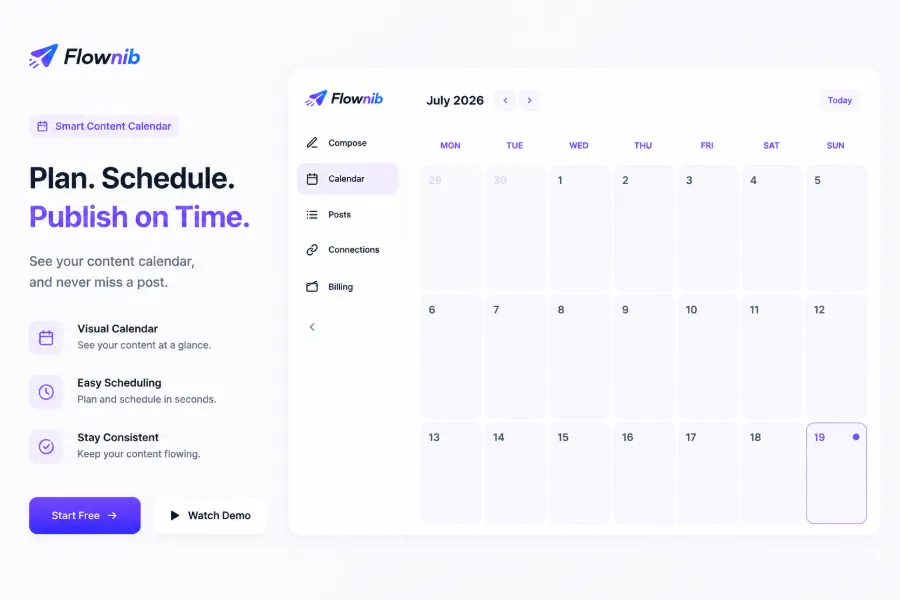
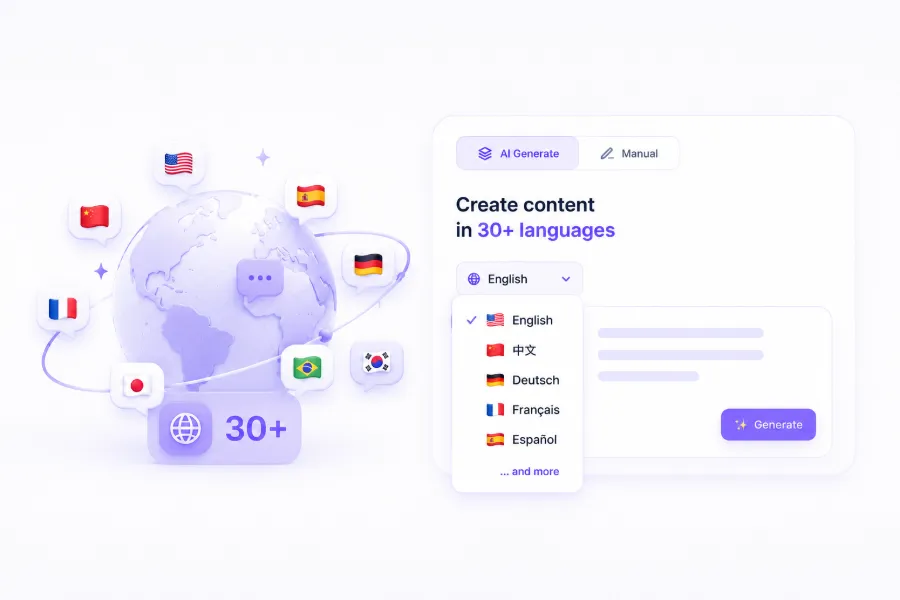
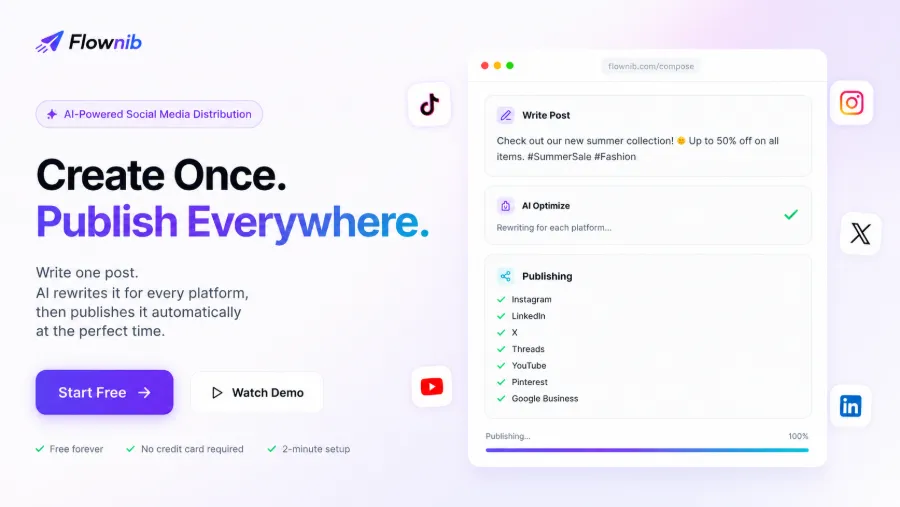
In practice, distribution tools like Flownib appear in the multi‑platform rewriting stage: the team first inputs an approved core viewpoint, then handles Instagram, X, LinkedIn, TikTok, Facebook, Threads, Pinterest, YouTube, Bluesky, and Google Business entry points. It reduces copy‑pasting and tab‑switching but cannot replace the team’s judgment of Reddit context nor the brand’s verification of product claims.
The same core viewpoint can take different content forms:
- Reddit: specific question response
- YouTube: video outline
- Short social platforms: opinion post
- Image‑text platforms: step‑by‑step guide
- Product page: FAQ
- Email: pre‑purchase reminder
Cross‑platform adaptation is not simply shortening text or changing a headline. Reddit requires acknowledging the user’s specific pain point and giving a clearly bounded answer; YouTube may first show the testing process and then explain the conclusion; short social platforms need to state the judgment early; image‑text content must make specs, steps, and cautions easy to scan. The audience question stays the same; the order of evidence, narrative entry, and interaction style change.
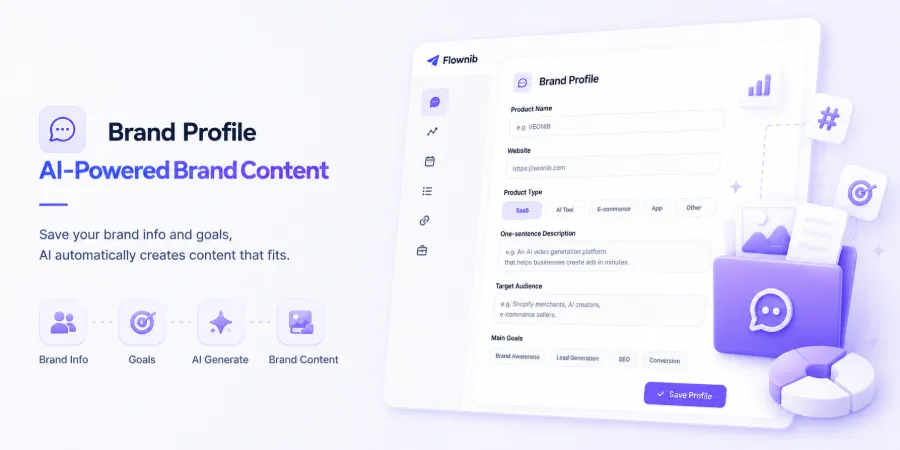
Brand archives should constrain AI rewriting boundaries, including product specs, target market, prohibited phrasing, brand tone, shipping scope, and verified customer questions. This prevents generated content from arbitrarily adding claims like “suitable for all scenarios” or “permanently durable” due to platform style shifts. Teams can also reference Rewrite Content and Distribute to Ten Platforms, but human review must still be retained before publishing.
A toolchain that supports 10 social platforms and account setup in about 2 minutes solves connection and distribution friction, but it does not mean content planning can be completed in 2 minutes. Especially when a trend just emerges, smoother automation makes it easier for teams to forget to check context. In one Wednesday night schedule, a rewritten short piece turned a YouTube video’s rhetorical question into a definitive product claim; the post was marked successful, but comments started demanding performance data the brand had not provided. Subsequent reviews had to add clarifications per platform, erasing the time saved.
Therefore, human review must confirm at least two things: the trend context has not been misread, and AI rewriting has not added unverified product promises. The second mention of Flownib notes that it is better suited as a publishing record and audit‑debugging component rather than a substitute for content judgment. Different platforms need different expressions; teams can also look at X’s Business Content Practices to see platform‑specific requirements for commercial content structure and interaction.
Use Publishing Rhythm and Review Results to Refine the Next Round of Topics
A content calendar should contain more than just publish dates and titles. Trend‑driven scheduling should also record discovery date, trend stage, target market, target platform, content format, owner, and review date. This way, two weeks later the team can tell whether a piece performed poorly because the window was missed or because the user problem itself was not valid.
Fast publishing and delayed polishing each have costs. Fast publishing stays closer to the trend window and suits low‑risk, clear‑opinion topics that don’t involve complex regulations; delayed polishing is better for content that needs localization, product testing, or legal clearance. If a cross‑border e‑commerce team squeezes all topics into same‑day publishing, they may gain short‑term exposure but increase the risk of misreading language, missing shipping restrictions, and publishing incorrect specs.
“24‑hour automated operation” can be used for scheduling, but after automatic publishing, human checks of comments and abnormal feedback are still required. Comment quality, saves, shares, clicks, on‑site search feedback, and subsequent purchase behavior usually explain a topic’s usefulness better than likes alone. A highly liked unboxing video may only be visual stimulation; a modestly saved size‑comparison piece that consistently drives product‑page visits is more closely tied to purchase decisions.
Publish time is only a review variable, not a substitute for topic judgment. Teams can combine insights from Analyzing Instagram Posting Times to check timing, audience time zones, and interaction lag, but if comments keep pointing out that the product isn’t suitable for a certain scenario, changing the posting time won’t fix the content issue.
Well‑performing content can be further broken down into question answers, user misconceptions, product comparisons, usage tutorials, and market‑difference explanations. Review results should also feed back into the keyword library, audience‑question database, and brand content archive: which terms generate real clicks, which comments recur, which markets need different shipping notes, and which platform formats only generate superficial interaction. If the team skips this step, the next similar trend will start from scratch on Reddit, YouTube, and analytics dashboards.
Trend signals should serve a stable topic system, not make the content team chase every spike. Platforms evolve quickly; what brands can continuously accumulate are records of user questions, evidence boundaries, and content outcome judgments.
FAQ
Which platform—Reddit or YouTube—is more suitable for finding cross‑border e‑commerce topics?
Reddit is better for discovering specific user complaints and usage obstacles; YouTube is better for observing tutorials, reviews, and search‑driven questions. Brands can monitor comments and video structures for 7 days before deciding whether a signal is short‑term hype or sustained demand.
How does a brand decide whether a trend is worth pursuing?
First, see if the audience repeatedly raises the question; second, confirm the brand has evidence to answer; third, determine whether the answer can influence the purchase decision. If the brand can only echo popular opinions or the product cannot meet the target market’s shipping, regulatory, or usage conditions, the trend should be dropped.
When turning Reddit or YouTube content into brand content, what is the most common mistake?
The most common mistake is misreading the context and overstating product capabilities. Before publishing, have a human review the original discussion, the rewritten version, and product materials, keeping at least one full‑cycle check to avoid discovering factual boundary errors in comments later.
In cross‑platform publishing, which parts should stay consistent and which must be rewritten?
Core user questions, product facts, and brand promises should stay consistent; opening style, evidence order, content length, interaction method, and calls‑to‑action must be rewritten per platform. Check comments within 24 hours after publishing to quickly spot any platform‑specific ambiguities.
How should trend‑driven content be measured?
Don’t rely only on likes; combine comment quality, saves, shares, clicks, on‑site search feedback, and subsequent purchase behavior. Trend content usually needs at least 7–14 days of observation to separate immediate interaction from genuine purchase‑path interest.
Share Article