
AI Can Write Content, But Does It Really Understand Your Brand?

When a cross‑border e‑commerce team prepares a multi‑market promotion, they usually start with a main product copy and then have AI turn it into versions for different languages and platforms. A few minutes later, Instagram, TikTok, LinkedIn, and X all have publishable content, but the team discovers that the English version emphasizes “fast delivery,” the German version turns into “local warehouse stock,” and the short social‑media copy hints at “50 % off the whole range.” Those promises were not in the original material.
AI can quickly generate, compress, and rewrite content, but it does not automatically understand a brand just because the language is smooth and the format is correct. Cross‑border brands need to organize product facts, promise boundaries, target markets, prohibited expressions, and review standards into executable rules, and then have humans confirm high‑risk content.
The issue is not whether a single copy can be written, but whether the same brand claim still represents the same brand after ten rewrites.
AI Can Generate Brand Content, But That Doesn’t Mean It Understands the Brand
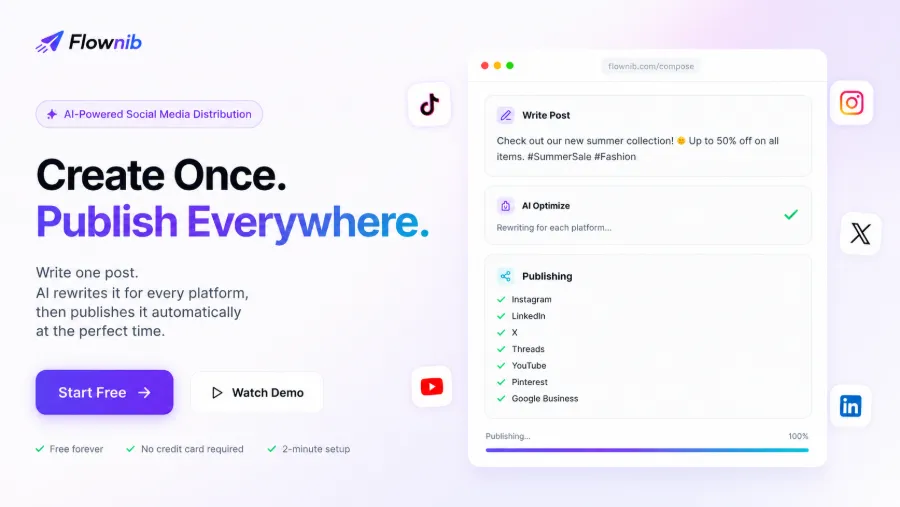
Cross‑border teams usually split AI‑generated content into three levels of review. The first level checks language fluency and obvious grammatical errors; the second level checks platform format—Instagram needs stronger visual description, TikTok relies on the first few seconds of attention, LinkedIn suits background, data, and industry judgment. The third level is whether the brand approves the content, including the accuracy of product promises, tone appropriateness, and whether it crosses service boundaries.
The first two levels can easily create an illusion. AI can make a product description sound like it was written by a local, and it can reorganize sentences according to platform character limits, but it may not know that “next‑day shipping” and “guaranteed next‑day delivery” are not the same thing. It also may not know that a certain market cannot use “risk‑free purchase,” or that a particular after‑sales service only covers the United States and Canada.
Brand understanding is more than brand voice. In cross‑border e‑commerce, brand voice must be considered together with brand promises, target consumers, pricing conditions, return policies, logistics scope, and compliance requirements. For the same product, Japanese consumers may need emphasis on packaging and after‑sales response, while Brazilian consumers may need clear statements about taxes and delivery times; these differences cannot be handled by pure translation.
When the same product information is rewritten by AI for different countries and languages, meaning drift often occurs in adjectives and calls‑to‑action. “Lightweight” may become “almost weightless,” “limited‑time offer” may turn into “last chance,” “users love it” may become “best‑selling.” Each sentence looks fine on its own, but placed back into product data and advertising policies it becomes a new factual claim.
Brand consistency does not mean using exactly the same sentence on every platform. What truly needs to stay consistent are product facts, promise boundaries, and judgment criteria. One creation, multi‑platform distribution simply sends the same content to more places; if the original rules are unclear, faster distribution spreads deviations faster. Teams can refer to the multilingual social‑media collaboration workflow for how different language teams handle this collaboration.
Cross‑platform collaboration also involves content calendars, account permissions, publishing times, and handoffs between market owners. The related cross‑border AI traffic case study shows that traffic loops are not just about content generation; data collection and team collaboration also affect the final outcome.
A single piece of content may need to be adapted for ten social platforms. The focus is not on AI generating ten seemingly different versions, but on ensuring those ten versions still convey the same brand stance.
First Write Brand Knowledge as Rules AI Can Execute
Typical prompts usually solve a single task: “Make this copy more suitable for Instagram.” Brand documentation solves a continuous task: every time you generate, rewrite, reply to comments, or schedule a post, AI can read the same background and constraints. The difference is not word count, but whether the brand material can be repeatedly called, checked, and updated.
In content‑operation workflows, tools like Flownib can be part of the pipeline, but integrating the tool does not mean the brand rules are ready. Connecting accounts may take about two minutes, but the brand team may need days to clarify product facts, market differences, and prohibited expressions. The former is tool‑setup time; the latter is operational‑prep time, and they should not be combined in metrics.
An executable brand dossier should contain at least the following:
- Brand positioning and the market position it does not want to occupy
- Target audience, purchase motivations, and main concerns
- Core product facts, pricing conditions, and service scope
- Brand tone, acceptable humor level, and expression rhythm
- Language, cultural, and regulatory differences across countries
- Prohibited terms, over‑promising language, and content requiring human approval
If a brand dossier only says “professional, friendly, reliable,” AI still struggles to know what “reliable” means. A more useful formulation is: “Do not use absolute effect promises; do not state estimated delivery time as a guarantee; do not address users as experts; any mention of refunds, medical, financial, or safety issues must be escalated to a human.” These rules are not elegant, but they can be applied directly during review.
Before content generation, operators can complete four input checks: what is being sold, who it is for, which market it will be released in, and what action the user is expected to take. If any of these is missing, AI may still produce a complete copy, but it will fill the gaps itself, and those fill‑ins are usually not vetted by the product team.
| Brand Information Dimension | Fixed Content Needed | AI‑Handled Part | Human‑Confirmed Part |
|---|---|---|---|
| Brand positioning | Market role and expression stance | Rewrite structure and tone | Whether it deviates from long‑term positioning |
| Product facts | Features, price, inventory, service scope | Extraction and re‑assembly | Whether new facts or promises are created |
| Tone & style | Word choice, rhythm, emotional boundaries | Platform‑specific expression | Whether it sounds exaggerated or inaccurate |
| Market differences | Language, culture, regional conditions | Localized phrasing | Whether it complies with local rules and habits |
| Prohibited expressions | Absolutes, ambiguities, high‑risk terms | Initial risk tagging | Whether publishing is allowed and how to modify |
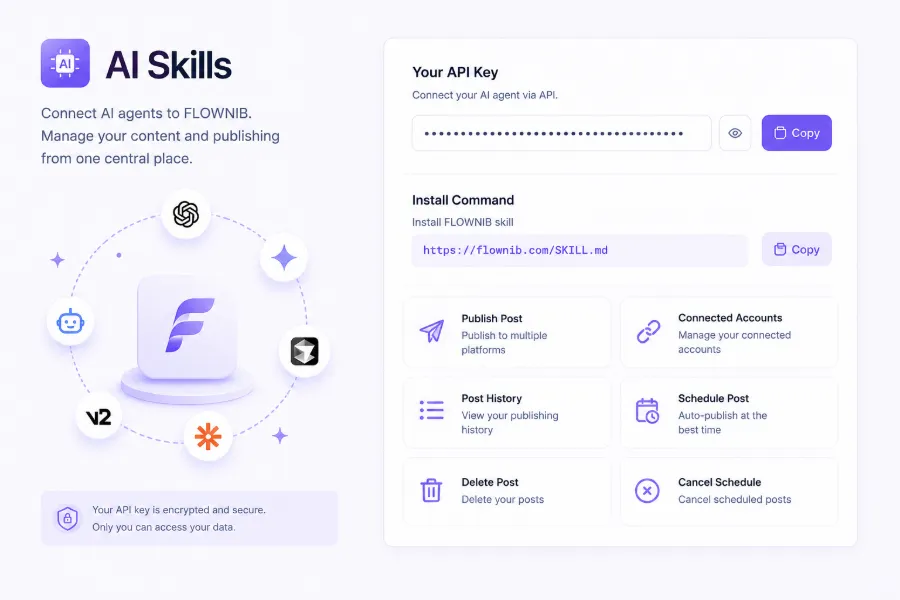
Human review does not need to rewrite every sentence word‑by‑word. AI already handles most formatting adjustments, headline compression, and language conversion; review time should be spent on product facts, promotional conditions, regional restrictions, user‑action paths, and comment replies. Teams can also feed high‑quality and erroneous samples from published content back into the brand dossier, creating a traceable revision record.
When brand material changes frequently, the original prompts quickly become obsolete. Product upgrades, return‑policy adjustments, or new market launches can cause old rules to keep generating outdated content. Teams can revisit rule‑maintenance methods in light of the AI social‑media automation trends, but they should not treat industry trends as their own brand standards.
When Rewriting for Multiple Platforms, Review Brand Meaning, Not Just Typos
A robust cross‑platform workflow locks the original brand claim first, lets AI perform platform rewrites, then conducts a pre‑publish review. The original claim should be a fact that does not change across platforms, e.g., “This product offers a 30‑day return policy for U.S. orders.” Instagram can make it more visual, LinkedIn can add procurement context, Threads can use a shorter Q&A tone, but the return period and applicability must stay the same.
Platform adaptation changes content length, interaction style, visual expression, and audience expectations. Instagram usually pairs with images, carousels, or short videos; LinkedIn readers focus on background and corporate judgment; Threads suits ongoing discussion; Google Business leans toward local search and in‑store actions. Platform style can vary; product facts and brand promises cannot.
The most distortion usually occurs not in the body copy but in headlines, promotional language, calls‑to‑action, and comment replies. AI may turn “Learn about the new product” into “Buy now,” compress “Available in select regions” into “Ship now,” or promise “We’ll resolve all issues immediately” when replying to a negative comment. These sentences are grammatically correct and may even boost engagement, but they create unfulfillable pressure on customer service and fulfillment teams.
In practice, multi‑account management, official APIs, scheduled publishing, and publishing logs reduce copy‑pasting, tab‑switching, and wrong‑account posting, but they cannot judge whether a promotional phrase crosses a boundary. The typical 280‑character limit on X forces teams to compress sentences, and the most likely things to be cut are regional conditions and restriction statements. The shorter the content, the higher the need for a human to review the full context.
One cross‑market campaign generated more than ten versions within a few hours of preparation. The team mainly checked grammar, image size, and character limits. One English‑market version, trying to match platform tone, changed “Maximum discount 50 %” to “All‑range 50 % off” and rewrote the estimated delivery time as “Guaranteed fast delivery.” About three hours after launch, customer service saw comments asking about the all‑range discount and delivery guarantee. The team pulled the version, revised the landing page and reply templates, and lost not only a few hours but also had to redo ad assets, explain to support, and suffer brand‑trust erosion.
The problem was not that AI couldn’t write; it was that the review chain treated “meaning checks” as “text checks.” The automation publishing speed increases, the more likely teams skip review, turning saved operational time into later rework. Flownib can shorten steps when connecting multiple accounts and scheduling posts, but operators still need to verify that the account, market, publish time, and final text correspond.
Teams do not need to review every post word‑by‑word; they can use sample review:
- Randomly audit high‑risk markets and promotional content for each campaign.
- Check all platform versions for a new product’s first release.
- Require human approval for headlines, pricing, delivery, refunds, and comment replies.
- Weekly review published content and revision traces.
- After several rounds without deviation, expand the automated publishing scope.
How much time manual copy‑pasting and multi‑account operations actually waste can be gauged from the manual publishing vs. AI distribution comparison. However, saved time should not be measured only by publishing actions; error fixing, cross‑team confirmation, and rescheduling must also be accounted for.
Publishing cadence should not be decided solely by AI. Different platforms have varying user activity periods, content lifespans, and interaction styles. Operators can reference social‑media operation resources for scheduling, but must also consider target market time zones, inventory status, and customer‑service hours. Publishing a high‑engagement post at midnight may cause issues to accumulate for hours before support is online.
After Publishing, Use Feedback to Maintain Brand Rules
Brand consistency is not a one‑time sign‑off before publishing. Comments, engagement rates, click‑through rates, and conversion rates reveal new expression issues, but these data do not directly tell the team which rule needs changing. Low engagement may simply be a bad posting time; high engagement may stem from exaggerated promises, controversial headlines, or content misaligned with long‑term positioning.
Cross‑border teams should retain the original content, platform versions, publish time, target market, and human‑edit traces. That way, when a market’s click‑through rate spikes or complaints rise, the team can determine whether the change came from platform distribution, language rewrite, price information, or the product itself. Keeping only the final published version makes later troubleshooting a guesswork exercise with a few screenshots.
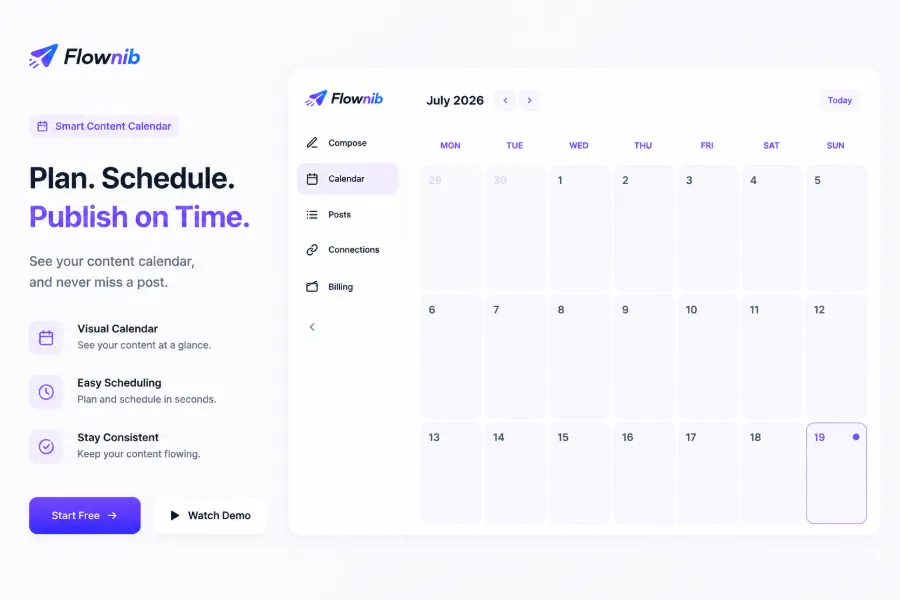
Content calendars are suitable for reviewing differences between plans and actual publishes. Operators can conduct a weekly or bi‑weekly check: which expressions were repeatedly edited by humans, which markets frequently delete the same type of promise, and which comments expose user misunderstandings of product facts. When dealing with publishing history and schedule management, the social‑media scheduling tools comparison can help teams organize tool‑level differences, but tool records still need to be examined separately from brand‑review records.
Official API uptime of 99.99 % only indicates that content can be reliably sent to platforms; it does not guarantee stable content expression. A post can be successfully published to the correct account yet be completely misaligned with brand on language, price, or after‑sales promises. Technical reliability reduces “not sent” and “sent to the wrong account” problems; brand rules handle “was the sent content correct?”
Maintaining brand rules can form a modest but continuously executed loop: collect samples, spot deviations, update rules, conduct small‑scale tests, then expand distribution. Small‑scale testing should look beyond engagement rates; it should also monitor customer‑service issues, refund reasons, comment sentiment, and whether different markets interpret promises consistently.
After several campaign cycles, teams usually find that the most valuable brand material is not the initial polished brand manual, but the specific cases that caused rework. Why a word was prohibited, why a service needed regional restrictions, why a comment could not be promised a solution—these reasons should be documented. AI will not automatically remember these operational lessons unless the team converts them into searchable, reviewable rules.
FAQ
Why can AI produce smooth content but not necessarily understand the brand?
Because fluency relies on sentence structure, context, and platform conventions, not on understanding product responsibilities and promise boundaries. In a cross‑market campaign, AI can generate dozens of versions in a few hours, yet still turn “Maximum discount 50 %” into “All‑range 50 % off.”
What brand information should cross‑border e‑commerce provide to AI?
At a minimum: brand positioning, target audience, product facts, pricing conditions, service scope, market differences, tone rules, and prohibited expressions. The material should be updated quarterly or within one week after product or policy changes, not added ad‑hoc for each release.
Which content needs the most human review when publishing on multiple platforms?
Pricing, discounts, delivery times, refund policies, effect promises, headlines, and comment replies require human confirmation. New product launches can have all versions checked; once stable, sampling by market and risk (e.g., 20 %–30 % of content per campaign) is sufficient.
How to tell if AI rewriting has altered the original brand promise?
Break the original claim into product facts, applicable scope, time conditions, and user actions, then compare each element against the platform version. Any new guarantee, expanded applicability, changed discount range, or omitted restriction should be treated as a brand‑meaning change, not mere linguistic polishing.
How often should brand content rules be updated?
A regular review cycle can be set to every two weeks; major promotions, product changes, or complaints should trigger immediate updates. Teams should look at publishing records, engagement metrics, click‑through rates, conversion rates, and customer‑service feedback, avoiding rule changes based on a single data point.
Share Article


