From “Manual Posting” to “Content Commander”: The Evolution Path of Operations Roles
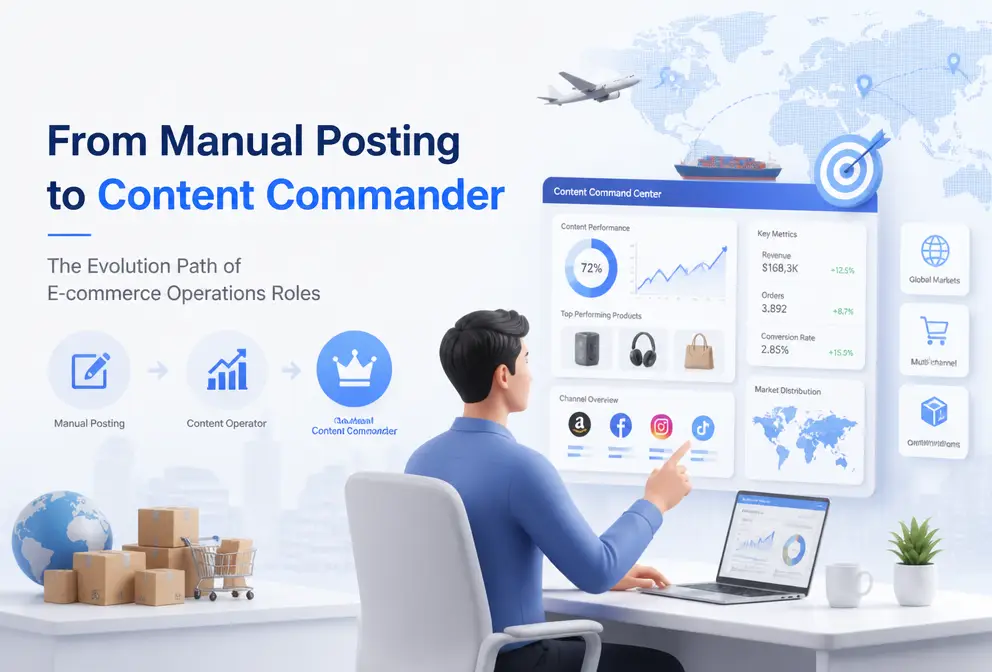
Open the social‑media backend, copy a piece of copy, switch to another platform, paste, adjust formatting, copy again, switch again—operations staff repeat this sequence dozens of times a day. When automation tools can complete these tasks with a single click, where does the value of operations truly lie? This article doesn’t discuss whether operations will be replaced; instead, it focuses on a more realistic question: when repetitive work is taken over by machines, how can operations evolve from executors to strategists—becoming true “content commanders.”
Operations 1.0 Era: Why “Manual Posting” Is Becoming History
Your daily workflow looks something like this: open Instagram, write a promotional copy, screenshot it; switch to X and rewrite it because of a different character limit; go to LinkedIn and adjust the tone to be more professional; finally, go to Threads and trim it again. For each piece of content, you manually rewrite the same information 4–5 times and often miss a platform. Last year, an e‑commerce operations team missed updating the price on TikTok during the Double‑Eleven promotion, leading to a flood of user complaints and an estimated 20 % loss in conversion rate. This “copy‑paste” style of operations is essentially using human labor to fight the repetitive tasks that machines excel at.
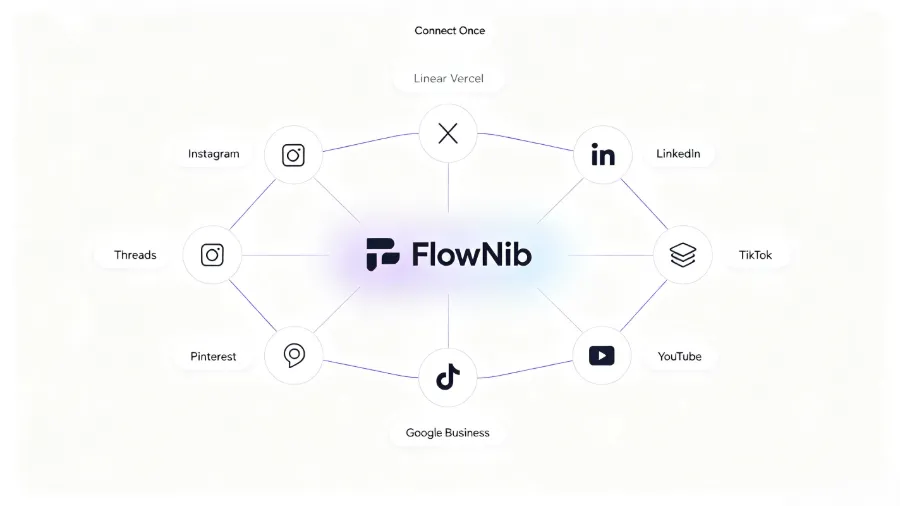
Industry research shows that operations staff waste about 40 % of their time on cross‑platform copy‑pasting. Efficiency loss is just one side; the more serious issue is the lack of content consistency—tone, timing, and even key messages can vary across platforms for the same brand. Instagram, X (Twitter), LinkedIn, Threads, Pinterest, TikTok, YouTube, Google Business—each has its own rules, and manually maintaining so many accounts without errors is a rarity.
The core bottleneck of the traditional operations model is that it limits the value of operations to execution. You spend a lot of time on formatting and scheduling, leaving almost no bandwidth to think “why this piece could go viral.” If you’re looking for a solution that fundamentally solves the fragmented multi‑platform problem, check out the article on All‑in‑One Social Media Tools: Why You Need One and How to Choose, which breaks down the key points of tool selection.
Automation Is Not the Enemy: The “Evolution Catalyst” for Operations Roles
Many people get nervous when they hear “automation,” fearing their jobs will be taken over. But those who have actually used tools like Flownib discover that automation’s real value isn’t “replacing you,” but “freeing you.” Once you hand over content rewriting, scheduling, and cross‑platform syncing to a system, operations staff finally have the mental bandwidth to think about strategy.
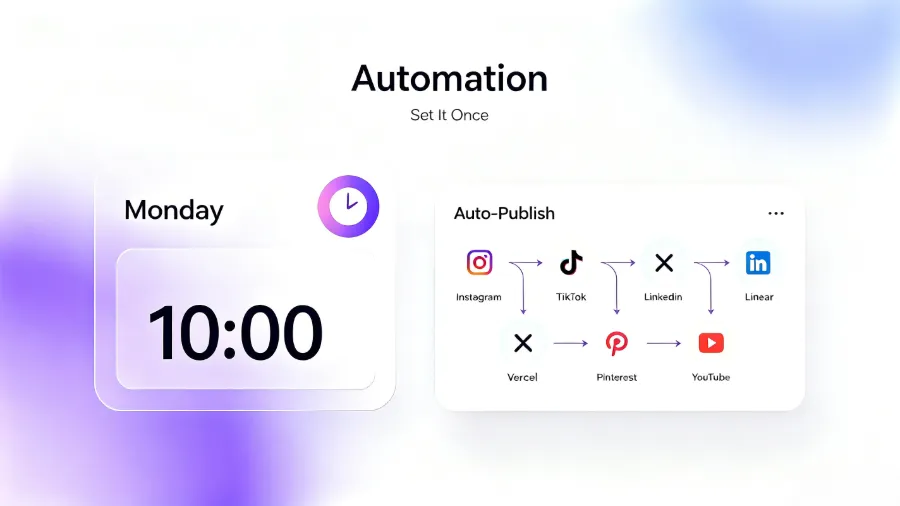
For example, before you had to log into each platform separately, set the posting time, and check formatting. Now you write the content once in the tool, select the platforms, and AI automatically rewrites it according to each platform’s character limits and tone, then you publish with one click. The whole process now takes about 2 minutes for the initial setup; after the accounts are connected, each subsequent post takes only seconds. The saved time can be used to analyze which piece of content had the highest engagement last week or to plan next month’s seasonal content calendar.
Operations staff are shifting from “posting machines” to “strategists.” You no longer agonize over “what to post today”; you think about “how this month’s content matrix supports the upcoming promotion.” This shift doesn’t happen overnight; it naturally occurs once repetitive work is handed over. If you’re interested in breaking the chaos caused by fragmented tools, see the analysis on From System Silos to One‑Stop: Ending Social‑Media Management Fragmentation. Additionally, Buffer’s Social Media Management Resources offer many case studies on combining tools with strategy.
Core Skills of a Content Commander: From Execution to Strategy
“Content Commander” isn’t a new job title; it’s the upgraded state of an operations role. It describes people who are no longer bogged down by manual posting and instead control the content ecosystem. The core skills required are: cross‑platform content strategy, AI‑tool collaboration, data‑driven decision making, and brand consistency management.
Cross‑platform content strategy sounds abstract, but in practice it means answering a few questions: the same core message should be a visual short copy on Instagram, a more professional industry insight on LinkedIn, and a casual conversational tone on Threads. Good automation tools (like Flownib) can produce “brand‑tone variants”—keeping the core message unchanged while adapting to each platform’s context. This is more reliable than manual adjustments because AI remembers the style templates you set for each platform, whereas humans forget when fatigued.
Data‑driven decision making is another key shift. Traditional operations rarely look at post‑publish data because time is consumed by posting. Now you can use the tool’s recommended posting times, cross‑platform performance comparisons, and other metrics to optimize the next round of content. For instance, you might discover that your target audience engages most on LinkedIn at 3 PM on weekdays and on Instagram at 8 PM in the evening, prompting you to adjust timing and format per platform. A less obvious observation: automation’s true value isn’t “saving time,” but “freeing cognitive bandwidth”—once operations are liberated from mechanical labor, they can focus on strategy, a part machines can’t replace. If you want to see how AI can generate a week’s worth of content in bulk, read the practical guide AI Bulk‑Generate a Week’s Content: One Command Does It All. Also, the emerging Threads platform is ideal for testing cross‑platform strategies because it demands higher textual flexibility.
From Manual Posting to Content Commander: How to Begin the Transformation
Transformation isn’t instantaneous, but it can be broken down into actionable steps. First, evaluate your current workflow: track how much time you spend on manual posting over a week, identify the most time‑consuming steps, and note which platforms suffer the most from inconsistency. Second, choose a suitable automation tool; for most small‑to‑medium teams, a tool that supports the official APIs of ten major platforms and sets up in under two minutes is sufficient. Third, reallocate the saved time: move it from copy‑pasting to content calendar planning, competitor analysis, and user‑engagement strategy.
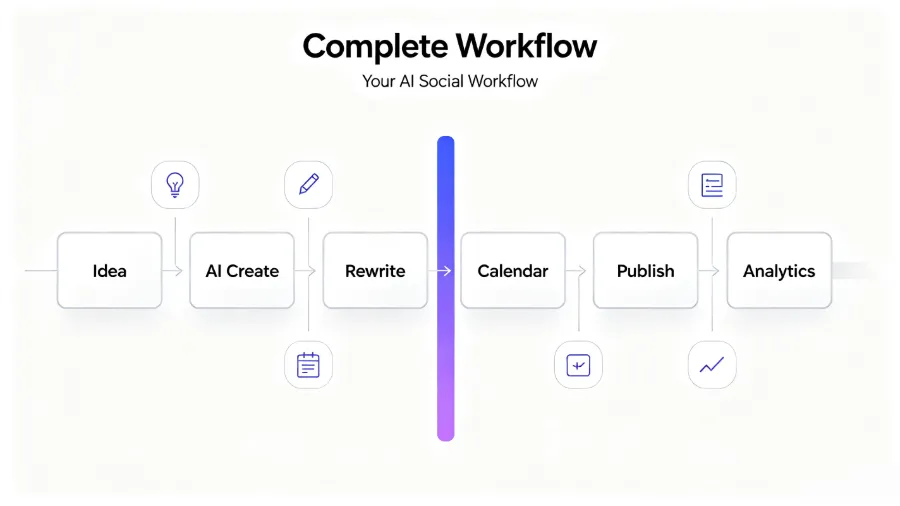
You may encounter a few challenges during the transition. First is the learning curve—even if a tool claims “2‑minute setup,” it still takes a week or two to get comfortable, review every AI‑rewritten piece, and fine‑tune the style. Second is reliance on the tool—once you get used to automation, reverting to manual operation feels painful, so tool stability and API uptime (e.g., 99.99 % availability) become critical. Third is the shift in team collaboration—previously each person handled a different platform; now you need a unified content calendar, which requires changes in communication and workflow rhythm.
A simple “30‑Day Transformation Plan” could be structured as follows: Week 1 – connect all accounts in the tool while keeping manual posting as a backup; compare efficiency differences. Week 2 – fully switch to tool publishing, spending 15 minutes daily reviewing AI‑generated content and adjusting tone. Week 3 – use the tool’s data feedback to optimize posting times and content types. Week 4 – completely abandon manual posting and use the saved time to design next month’s content matrix. For a deep dive on achieving “write once, publish everywhere,” read the article Write Once, Publish Everywhere: How Flownib Uses AI, which details the automation workflow from draft to publishing.
FAQ
Can automation tools completely replace manual posting?
They cannot replace it entirely, but they can handle about 95 % of repetitive tasks. The parts that still require human judgment—such as handling platform‑specific sensitive topics or urgent last‑minute content changes—still need an operations person. Automation takes over the standardized “copy‑paste + format adjustment + scheduling” flow, while strategic decisions and creative direction remain in the hands of the operator.
How long does it take for an operations person to become a “Content Commander”?
Typically 1–3 months. The first week is about tool onboarding and workflow adjustment; the following weeks focus on developing strategic thinking. The key is to consistently use the freed‑up time for strategy rather than filling it with other execution tasks. Most teams notice a clear efficiency boost by week 3 and start seeing strategic improvements by week 6.
Is an automation tool worth the investment for a small team?
Absolutely, especially when the team has only 1–2 operations staff. Small teams have precious human resources; one person responsible for multi‑platform posting, interaction, and analytics is almost impossible without automation. A free tier—e.g., three social accounts and six free posts—is often enough for a startup to test the waters. The cost is negligible, while the time saved can be redirected to growth experiments.
What’s the biggest difference between a Content Commander and a traditional operations role?
The core difference lies in “what” and “why.” Traditional operations focus on execution; Content Commanders focus on strategy. Traditional staff worry about “what time to post today,” while Content Commanders consider “how this month’s content matrix supports brand tone.” Traditional staff look at “likes on this post,” whereas Content Commanders interpret “the user behavior patterns behind the engagement rate.” It’s fundamentally a shift from “instruction execution” to “goal‑driven thinking.”
How do I know if I’m ready to transform?
If you feel a noticeable frustration when manually posting or frequently make mistakes while switching between platforms, it’s time. Also, if you find yourself thinking more about “how to make the content strategy systematic” rather than “what the format of the next post should be,” you already possess the mindset of a Content Commander. The starting point isn’t buying a tool; it’s recognizing that your current workflow can’t sustain the growth you want.
Share Article