
2026 Newcomers Making Short Videos: Bet on TikTok or YouTube Shorts First?
Just finished editing a vertical video, and two app icons sit on your phone—don’t know which one to open first to upload. This is the first hurdle for most beginners. The real question isn’t which app to choose, but which growth model to adopt. TikTok is a feedback engine: rapid testing, rapid distribution, rapid hopping on cultural trends. YouTube Shorts is a library engine: beyond distribution it adds search and long‑tail discovery, offering a clearer path to long‑form videos, subscriptions, and monetization. The most pragmatic approach for beginners in 2026 is to focus on one platform while using the other for learning, then double down after getting feedback. Instead of agonizing over a binary choice, treat both sides as testbeds and let data—not intuition—guide the decision.
Choosing TikTok or Shorts Is Essentially Choosing a Growth Model
For beginners, the two platforms have completely different distribution philosophies. TikTok’s core is the “For You” feed, where the algorithm pushes content to potentially interested users; cold‑start is very friendly, and a video can be seen by many strangers even if the account has zero followers. YouTube Shorts lives within the YouTube long‑form ecosystem; a single channel can host Shorts, long videos, playlists, and searchable content. In addition to recommendations, there’s a search discovery channel that can surface content repeatedly.
You can decide which to prioritize by asking five questions: Do you want quick feedback or lasting discovery? Are you chasing trends or answering search queries? Do you plan a long‑form video funnel? Do you value a clear monetization threshold? Do you rely on traffic from the U.S. market? The first two questions essentially determine platform inclination; the latter three relate to long‑term strategy. In early 2026, TikTok’s U.S. business transaction structure is expected to close around January 22, meaning this uncertainty suggests beginners shouldn’t put an entire account on a single platform.
| Dimension | TikTok | YouTube Shorts |
|---|---|---|
| Max content length | Record up to 10 minutes, upload up to 60 minutes | Vertical or square videos ≤ 3 minutes are considered Shorts (effective after 15 Oct 2024) |
| Distribution logic | Primarily “For You” feed, cold‑start friendly | Recommendation + search dual channel; long‑tail can be resurfaced repeatedly |
| Monetization threshold | Varies greatly by country and project accessibility | YPP has a clear official entry threshold |
| Suitable content types | Trend‑driven, duets, comments, etc. | Tutorials, explanations, product demos, etc. (search‑driven) |
In the beginner stage, deep‑diving into one platform is more effective than dabbling shallowly on both. To understand operational differences between distribution tools, see this Convenience Comparison of Mainstream Multi‑Platform Distribution Tools, but don’t let tool selection replace content strategy.
What Beginners Should Really Care About: How the Two Recommendation Mechanisms Work
TikTok’s recommendation signals fall into three broad categories: user interaction, content information, and user/device/account settings. User interaction includes likes, comments, shares, and completion rate; content information covers title, tags, audio, and visual features; user/device/account settings include language preference, geographic location, and device type. The combination of these three signal sets gives TikTok strong cold‑start capability—new accounts can gain meaningful exposure if the content performs well.
YouTube’s recommendation logic emphasizes viewer satisfaction; the algorithm cares more about whether the audience truly likes and finishes the content rather than sheer interaction volume. Shorts’ structural advantage over TikTok lies in the channel ecosystem: a single channel can host Shorts, long videos, playlists, and searchable content, all of which cross‑promote each other, creating a cumulative effect. A viral TikTok may lose traction after three days, whereas a tutorial Shorts on YouTube can continue to be discovered via search months later.
Timing also affects exposure; user activity periods differ noticeably across platforms. This 2026 Best Posting Times Data Analysis is based on 9.6 million posts and offers scheduling insights. However, don’t treat timing as a lifesaver—content quality remains the decisive factor.
2026 Length and Copyright Rules: Common Pitfalls for Beginners
Length rules are a frequently overlooked trap. Starting 15 Oct 2024, YouTube classifies vertical or square videos ≤ 3 minutes as Shorts; anything longer is treated as a regular video with a completely different distribution logic. TikTok allows recordings up to 10 minutes and uploads up to 60 minutes, but that doesn’t mean beginners should produce long content—those limits are more for established creators. Jumping into long videos can dilute completion rates.
Copyright issues are more subtle. YouTube explicitly warns that Shorts longer than 1 minute with an active Content ID claim may be blocked. Many creators therefore keep music‑laden Shorts under 60 seconds or use royalty‑free music libraries. I’ve seen multiple beginners edit a 90‑second Shorts with a popular song, only to have it blocked by Content ID, resulting in zero views. This rule changed on 15 Oct 2024, but platform policies can shift again; the information from January 2026 should be taken as a reference, and you should verify the current rules before publishing.
From Views to Revenue: Differences in Monetization Paths
The clarity of the monetization path is where YouTube Shorts is more beginner‑friendly. YouTube’s monetization relies on the YouTube Partner Program (YPP). Shorts use a creator revenue pool model, with creators receiving 45 % of the pool’s earnings. YPP also sets early entry thresholds (fan funding, merch) and full thresholds (ads + Premium revenue share), making the bar clear for beginners to gauge how far they are from monetizing.
TikTok’s Creator Rewards program emphasizes originality and high‑quality content, favoring videos longer than 1 minute, and highlights originality and interaction metrics at launch. There are also TikTok LIVE and brand partnership routes, but accessibility varies widely by country and region. For detailed operational tips on each platform’s monetization, check out the Resources Collected by Mainstream Social Media Management Tools, which contain many practical case studies.
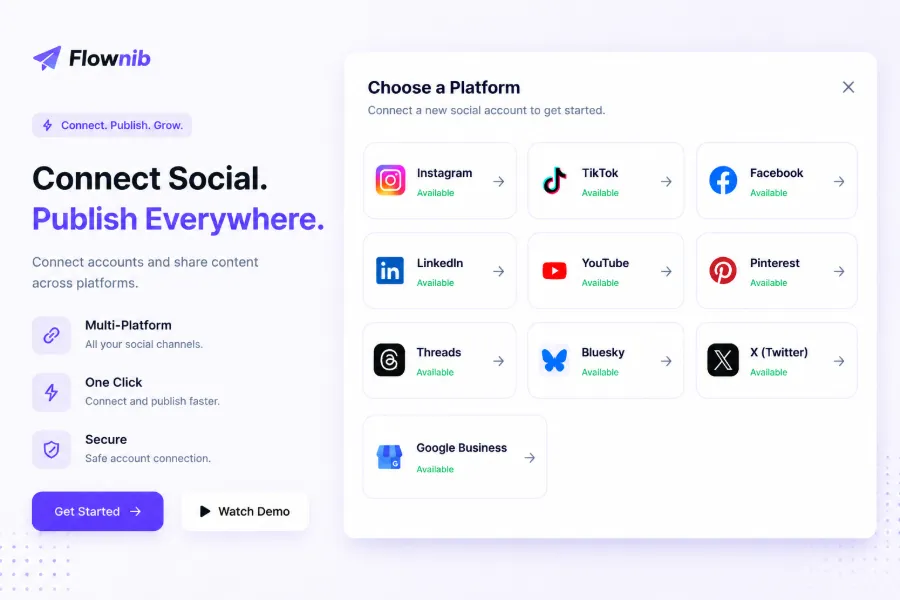
Regardless of the path, monetization requires consistent output. An irregular posting rhythm leads both the algorithm and the audience to forget you. This is where tools like Flownib shine—they solve the operational problem of maintaining a multi‑platform schedule, not the content‑quality problem. Beginners should focus on establishing a steady publishing rhythm rather than obsessing over a single video’s view count.
What Beginners Really Need to Do: Build a Replicable Content Production Line
The goal isn’t a single viral hit but to generate 30–60 opportunities within 30–60 days. One viral video offers limited learning; a repeatable production process is far more valuable. You need to discover, through repeated publishing, which content sparks interaction, which topics have search demand, and which formats yield higher completion rates. Focus on a repeatable output rhythm rather than a single view count—this is the metric that matters in the beginner stage.
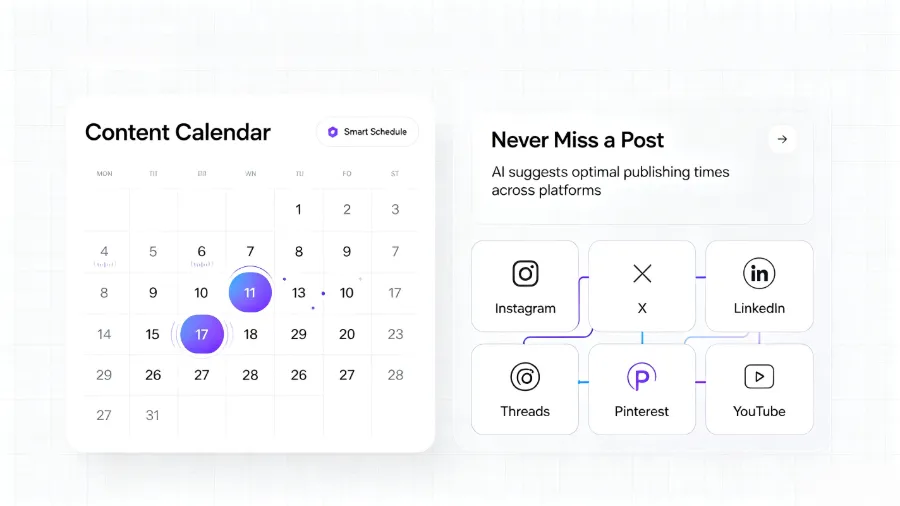
Publishing the same vertical video on both platforms after proper repackaging isn’t a loss. The workflow: quickly transform a piece of content into platform‑specific versions—keep the original rhythm for TikTok, optimize title and description for Shorts to suit search—then schedule the posts. Use a content calendar to manage the publishing plan and avoid missed or duplicated posts. Tools like Flownib can chain rewriting and scheduling; AI automatically adapts copy to each platform’s style, saving manual copy‑pasting time. Cross‑border e‑commerce sellers have useful practices here; see this article on how they leverage AI for global social media distribution: How Cross‑Border E‑Commerce Sellers Use AI for Global Social Media Distribution (2026).
The core of the production line is repeatable processes, not perfection in every piece. In the beginner phase, completion outweighs perfection. Enterprise‑level content operation thinking can also be borrowed; the LinkedIn Marketing Solutions for Enterprises showcase systematic content management methodologies. Although aimed at B2B, the rhythm‑management concepts apply equally to individual creators.
FAQ
Should beginners update both platforms simultaneously?
Focus on one platform first, while publishing on both for learning. Concentration helps you understand one platform’s algorithm preferences faster; dual publishing builds comparative data. After feedback, shift resources to the better‑performing platform.
Can the same vertical video be posted on both sides? Will it affect traffic?
Yes, but it needs repackaging. Keep the original rhythm for TikTok; optimize title, description, and tags for Shorts to suit search. Posting the raw same video on both may result in mediocre performance because the recommendation logics differ.
Does a Shorts longer than one minute always have copyright issues?
Not always, but the risk exists. Shorts over 1 minute with an active Content ID claim may be blocked. Using royalty‑free music libraries or original audio can avoid this problem.
How long does it usually take to start earning?
It depends on the platform and content type. YouTube’s YPP has clear entry thresholds; once met, you can start sharing revenue. TikTok’s Creator Rewards rely more on content quality and regional availability. Most beginners need 2–3 months of consistent output before seeing the first earnings.
Share Article